A Fragrance Wastewater Treatment Project in Jiangxi province
访问量:126
Characteristics of Wastewater:
1. Complex composition: Fine chemical production processes are long and intricate, with complicated operations and a high yield of by-products, resulting in wastewater that contains a wide variety of pollutants.
2. High pollutant concentration: Fine chemical wastewater typically has a very high COD value, reaching tens of thousands or even over a hundred thousand. At the same time, it also contains high concentrations of ammonia nitrogen, and elevated levels of ammonia—especially free ammonia—can be toxic to biological treatment systems.
3. Abundance of toxic, hazardous, and biologically refractory substances: Most of the organic components in fine chemical wastewater are toxic or difficult-to-degrade pollutants, such as organohalogen compounds, nitro compounds, and surfactants. In addition, some heavy metal ions may be present, which strongly inhibit biological systems and are a major reason for effluent failing to meet standards.
4. High salinity: Wastewater from certain industries contains elevated salt concentrations. High salinity significantly inhibits microbial activity; for example, when chloride ion content is high, it can impair the vitality of microorganisms in biochemical systems and even lead to cell death.
5. High color: Wastewater from industries such as pesticides and dyes typically exhibits very high color intensity, reaching thousands or even tens of thousands times higher than standard values.
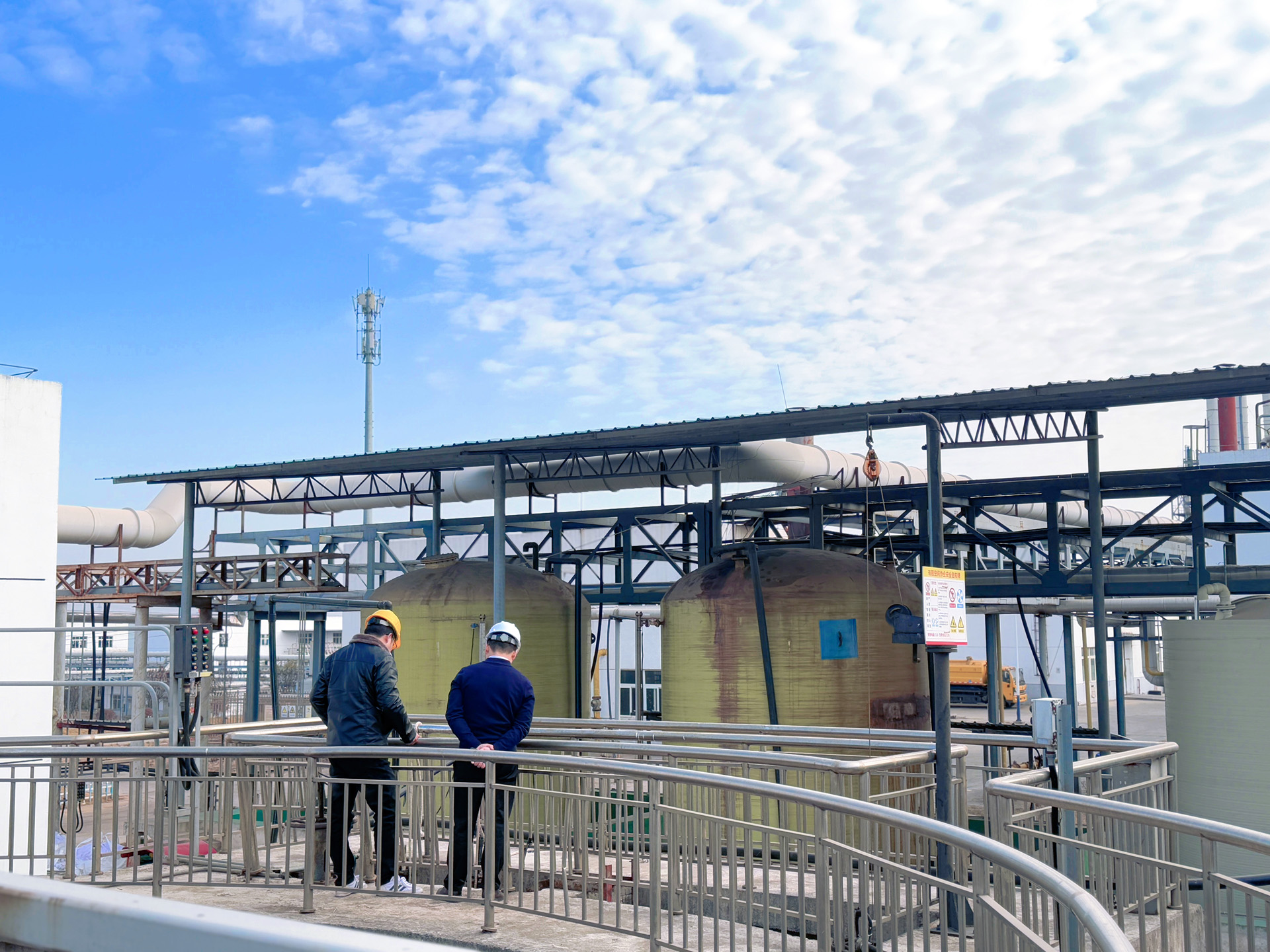
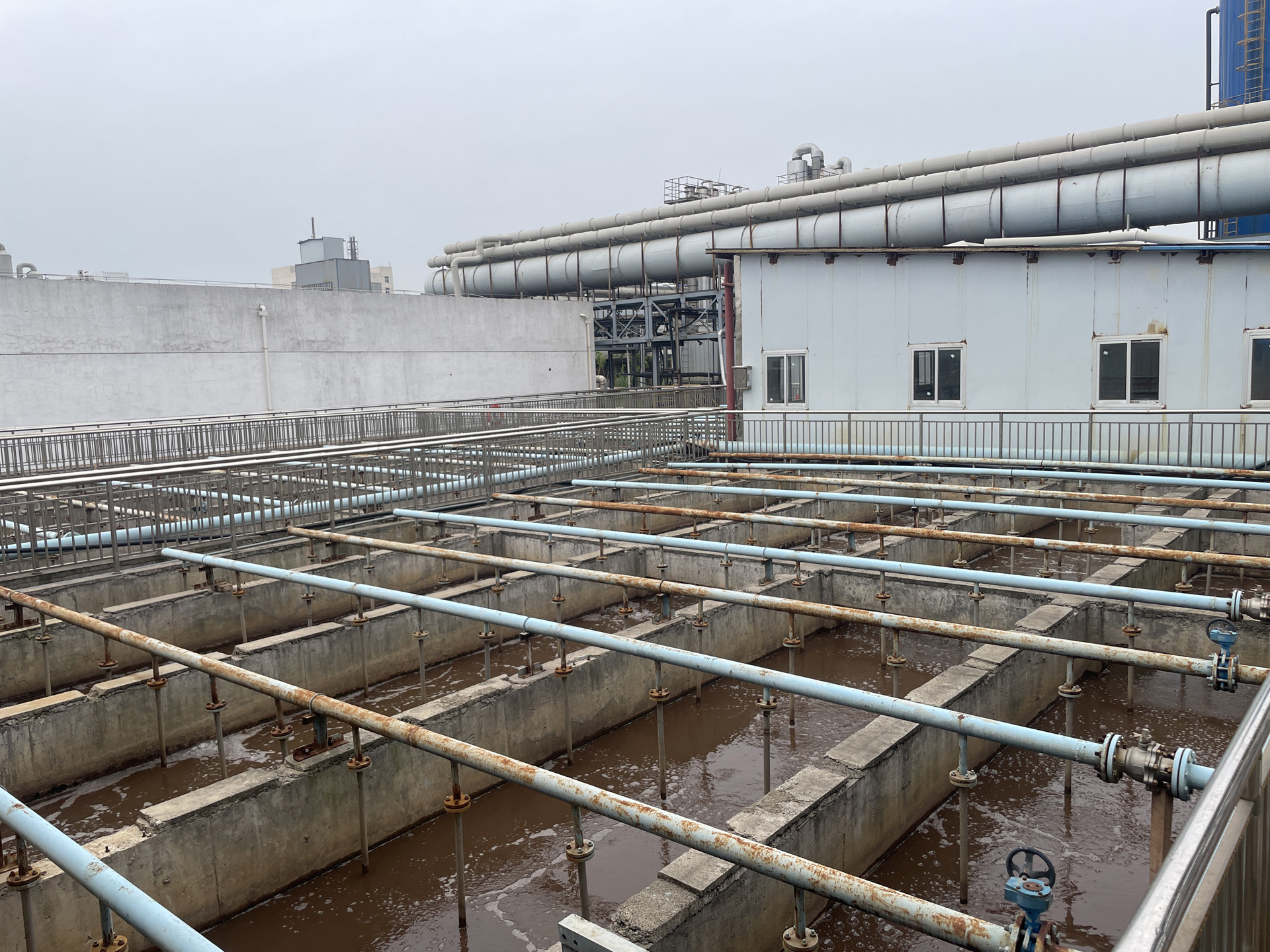
The designed treatment capacity for this project is 200 m³/d.
Process flow:
Wastewater → Equalization tank → Micro-electrolysis/Fenton system → Physicochemical sedimentation tank → A/O tank → Secondary sedimentation tank → Discharge after meeting standards