
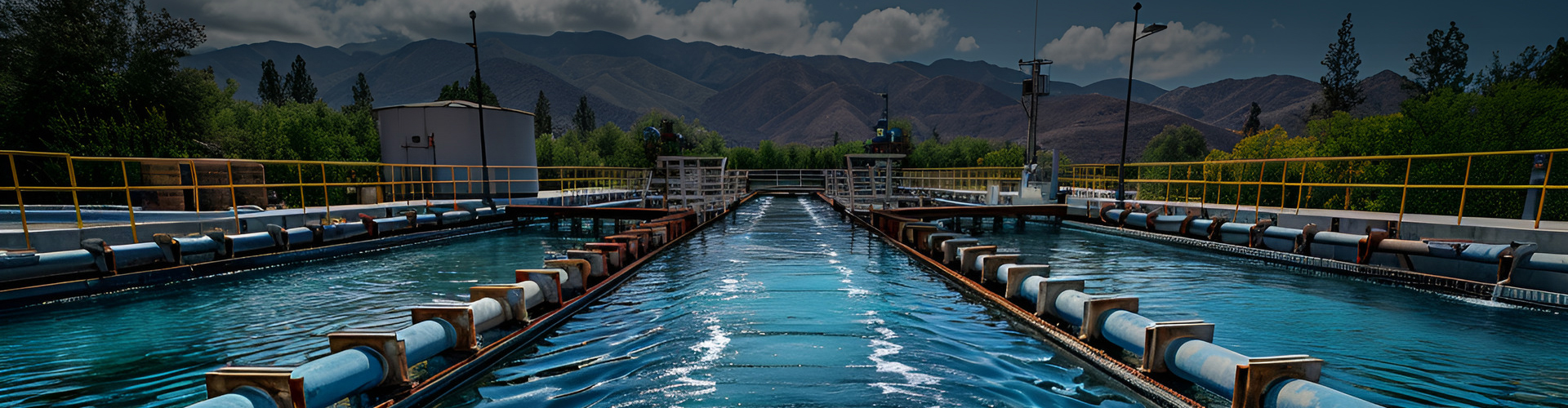
Taicang Food Wastewater Treatment Project
访问量:121
Food Processing Wastewater Characteristics:
1. The volume of wastewater varies significantly: the food industry spans from small-scale home operations to large-scale factories, with a wide variety of products, raw materials, processes, and scales. As a result, wastewater volumes can range from a few tons to several thousand tons per day.
2. Production varies with the seasons, as do the quality and quantity of wastewater.
3. Food industry wastewater contains abundant biodegradable components: For the general food industry, raw materials are derived from natural organic substances, and the composition of its wastewater primarily consists of natural organic materials (proteins, fats, sugars, starches, etc.). It contains no toxic substances, has excellent biodegradability, and achieves a BOD5/COD ratio as high as 0.84.
4. Wastewater contains various microorganisms, including pathogenic ones, and is prone to decay and foul odors.
5. High-concentration wastewater
6. High levels of nitrogen and phosphorus in wastewater are common: nitrogen is produced from proteins during the processing of meat, beans, and animal glue, while nitrogen and phosphorus levels increase in wastewater during the production of aquatic products such as fish cakes, as well as during the making of hams and sausages.
The designed treatment capacity of the project:10 m³/d, with the wastewater treatment system designed for 0.42 m³/h and operating 24 hours a day.
Technological process:
combined wastewater → oil separation and sedimentation tank → anaerobic tank → contact oxidation tank → inclined tube sedimentation tank → clean water tank
上一篇:A feed wastewater treatment project
下一篇:没有了!