
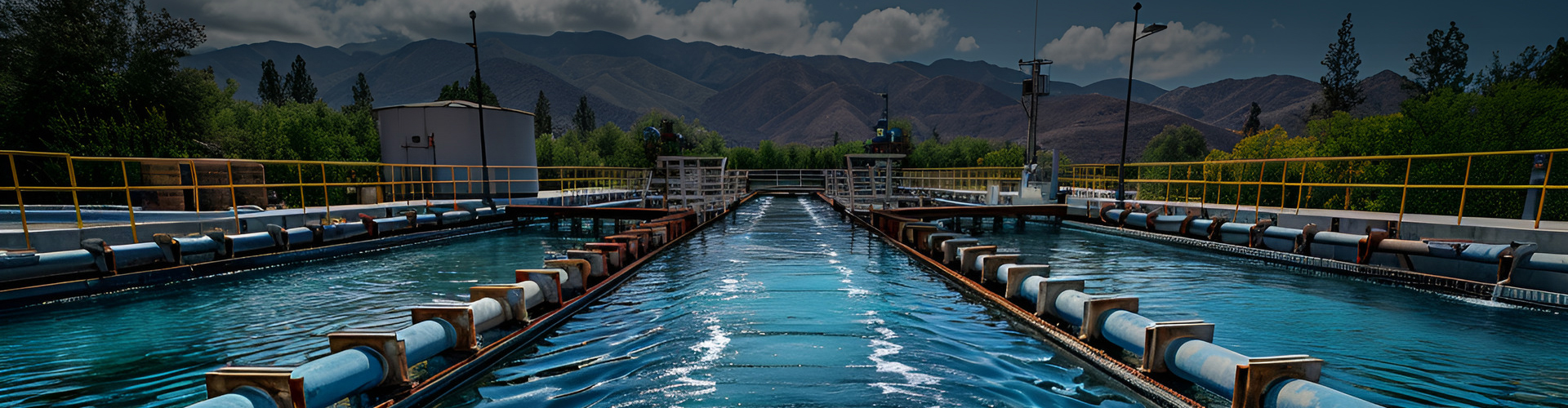
Xiangshui County Economic Development Zone Agricultural Product Deep Processing Project Wastewater Treatment System Installation
Visits:123
Characteristics of food processing wastewater:
1. Wide variation in wastewater volume: The food industry ranges from small household operations to large factories, producing a wide variety of products. Differences in raw materials, processes, and production scale result in daily wastewater volumes ranging from a few tons to several thousand tons.
2. Production varies seasonally, and both the quality and quantity of wastewater change with the seasons.
3. Food industry wastewater contains a high proportion of biodegradable components: For most food industries, raw materials come from natural organic substances, so the wastewater is mainly composed of natural organic matter (such as proteins, fats, sugars, and starch). It does not contain toxic substances and is highly biodegradable. The BOD5/COD ratio can be as high as 0.84.
4. The wastewater contains a variety of microorganisms, including pathogenic microorganisms, making it prone to putrefaction and odor.
5. High-strength wastewater is common.
6. High levels of nitrogen and phosphorus are often present: In the processing of meat, beans, and animal gelatin, proteins produce nitrogen; in seafood processing and the manufacture of products such as fish cakes, ham, and sausage, the levels of nitrogen and phosphorus in the wastewater increase.
The designed treatment capacity for this project is 100 m³/d.
Process flow:
Production wastewater → grating tank → oil separation tank → flocculation sedimentation tank → facultative anaerobic tank → anoxic tank → contact oxidation tank → secondary sedimentation tank → discharge after meeting standards
Previous article:没有了!
Next article:Jiangsu A Food Industry Co., Ltd. 1,500-Ton Wastewater Treatment Project