
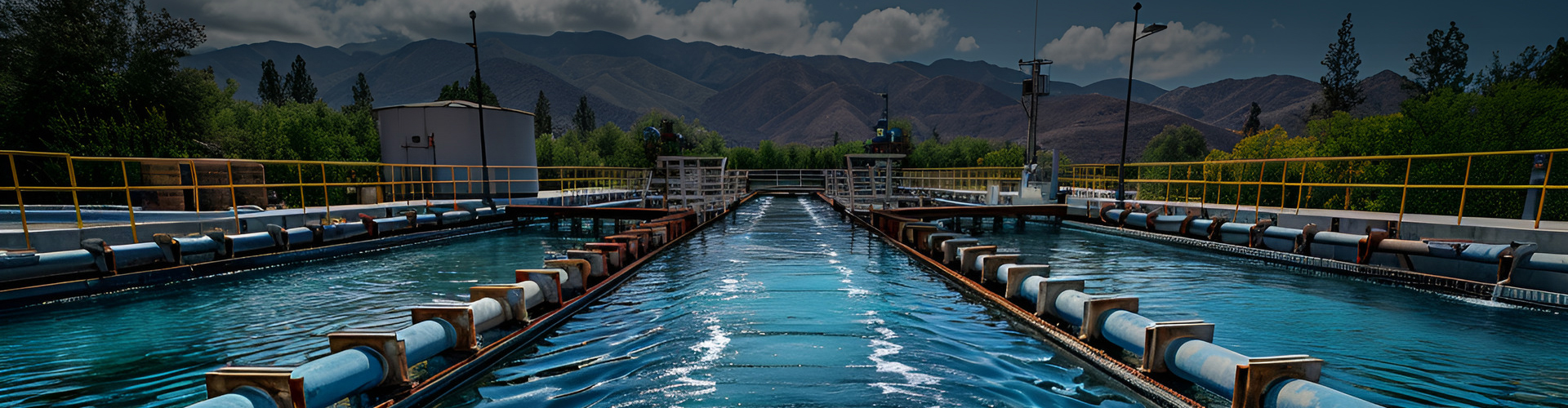
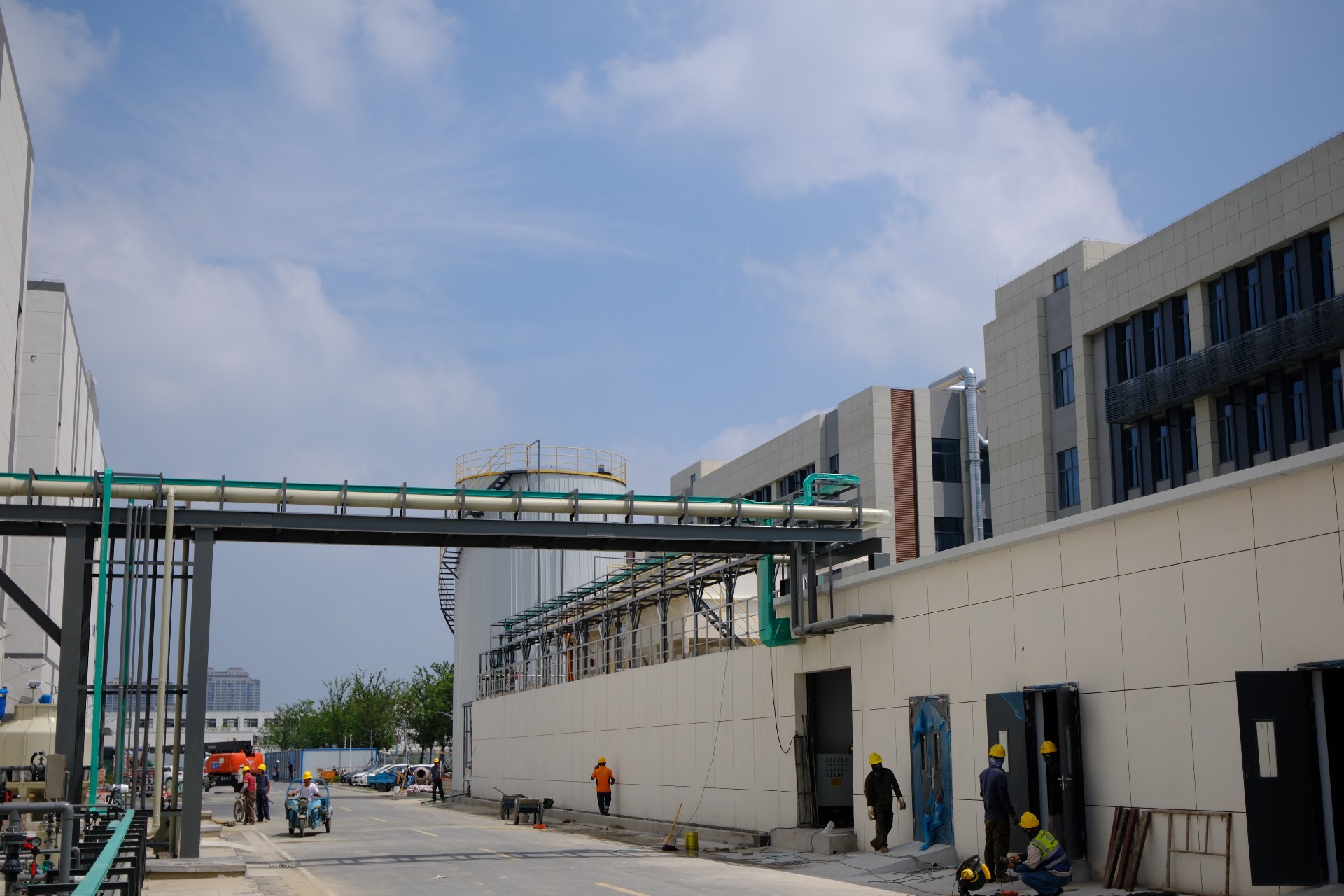
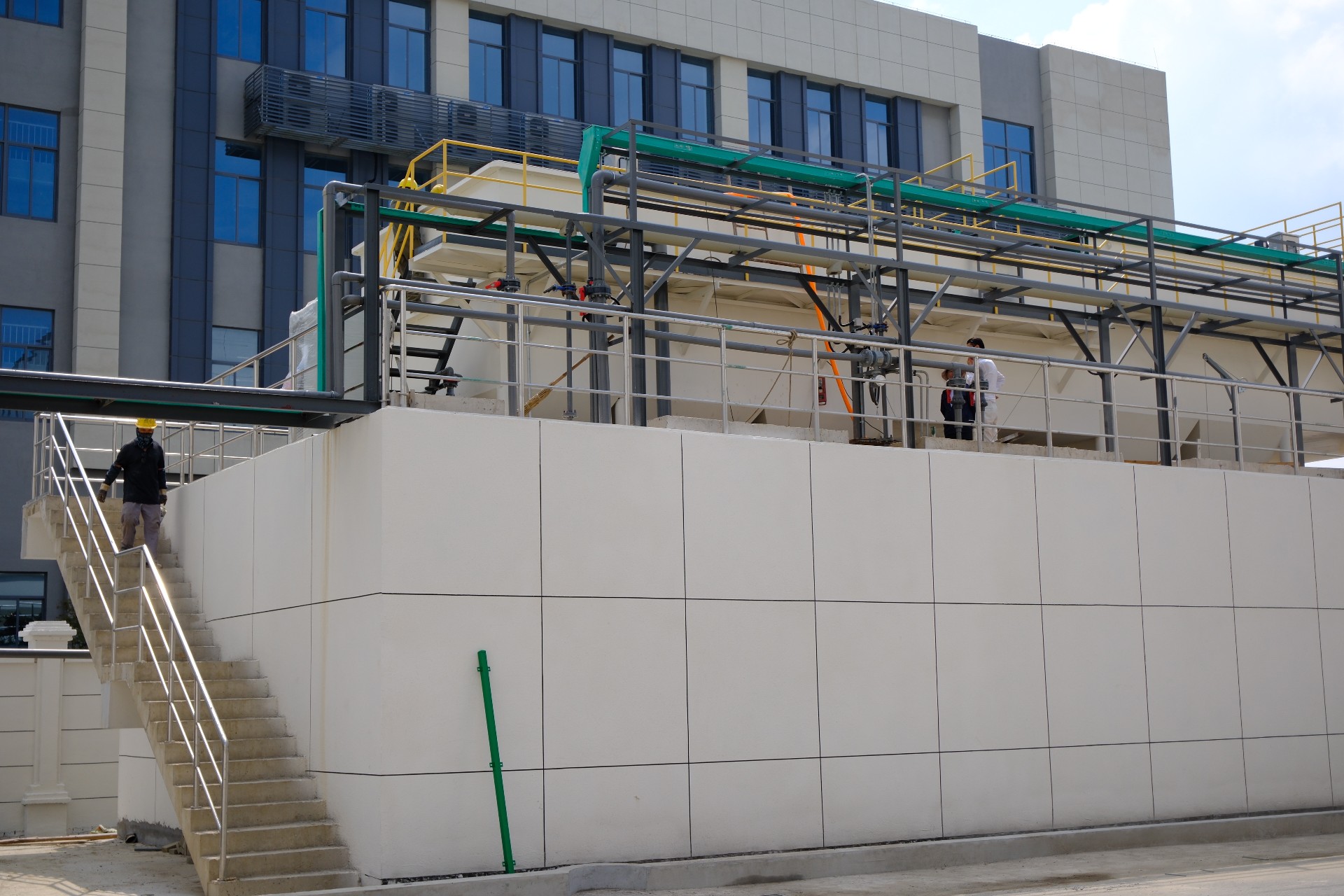
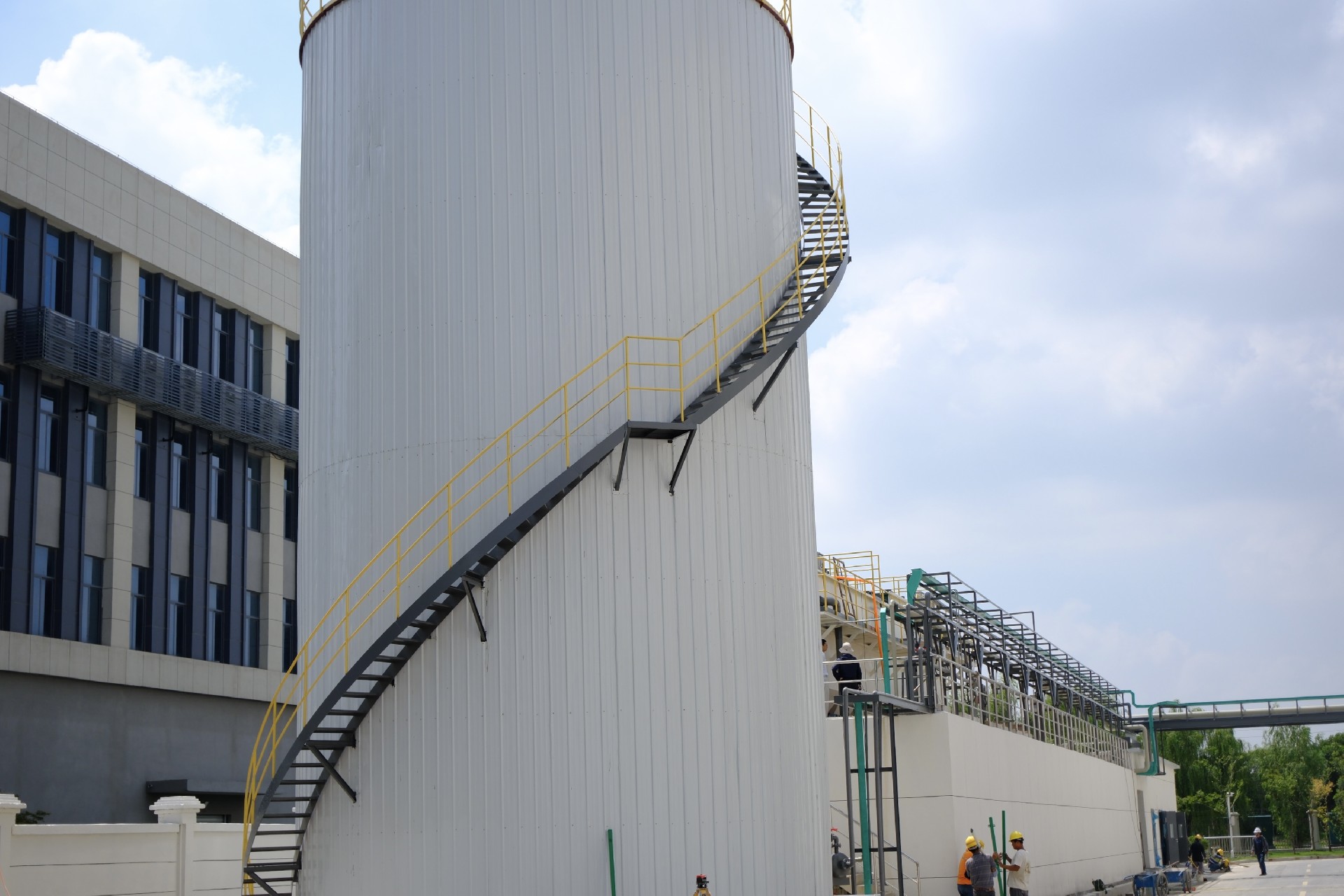
A Optoelectronics Wastewater Treatment System in Yancheng
Visits:125
Wastewater Characteristics:
1. Large fluctuation in pollutant concentrations: Photovoltaic production wastewater contains various components, such as cutting fluid, isopropanol, allyl alcohol, lactic acid, monocrystalline silicon powder, and more. The concentrations of these substances in the wastewater vary greatly, resulting in significant changes in water quality.
2. Highly acidic or alkaline nature: The wastewater is usually acidic. These extreme pH conditions are highly corrosive to equipment.
3. Poor biodegradability: Indicating weak potential for biological degradation. Additionally, the presence of sodium silicate in the water can inhibit the activity of microbial cultures.
4. Wastewater discharge is periodic: The volume and pollutant concentration of the wastewater fluctuate depending on different production stages, such as cutting wastewater, acid-alkali wastewater, and washing wastewater.
5. Contains high concentrations of fluoride ions, with levels reaching hundreds or even thousands of milligrams per liter.
6. Contains large amounts of inorganic and organic pollutants, including high concentrations of fluoride- and nitrogen-containing wastewater and persistent organic pollutants such as polyethylene glycol.
7. High-strength wastewater contains isopropanol, polyethylene glycol, or silicon carbide powder, resulting in high chemical oxygen demand (COD), which can exceed 100,000 milligrams per liter.
The designed treatment capacity for this project is 400 m³/d of grinding and cleaning wastewater.
Process flow:
Collection tank→integrated adjustment tank→primary fluoride removal sedimentation tank→secondary fluoride removal sedimentation tank→electrocoagulation→biochemical adjustment tank→UASB→ A/O→ secondary sedimentation tank→monitoring tank
Previous article:A Photovoltaic Wastewater Treatment Station Projectin in Jianhu
Next article:没有了!